
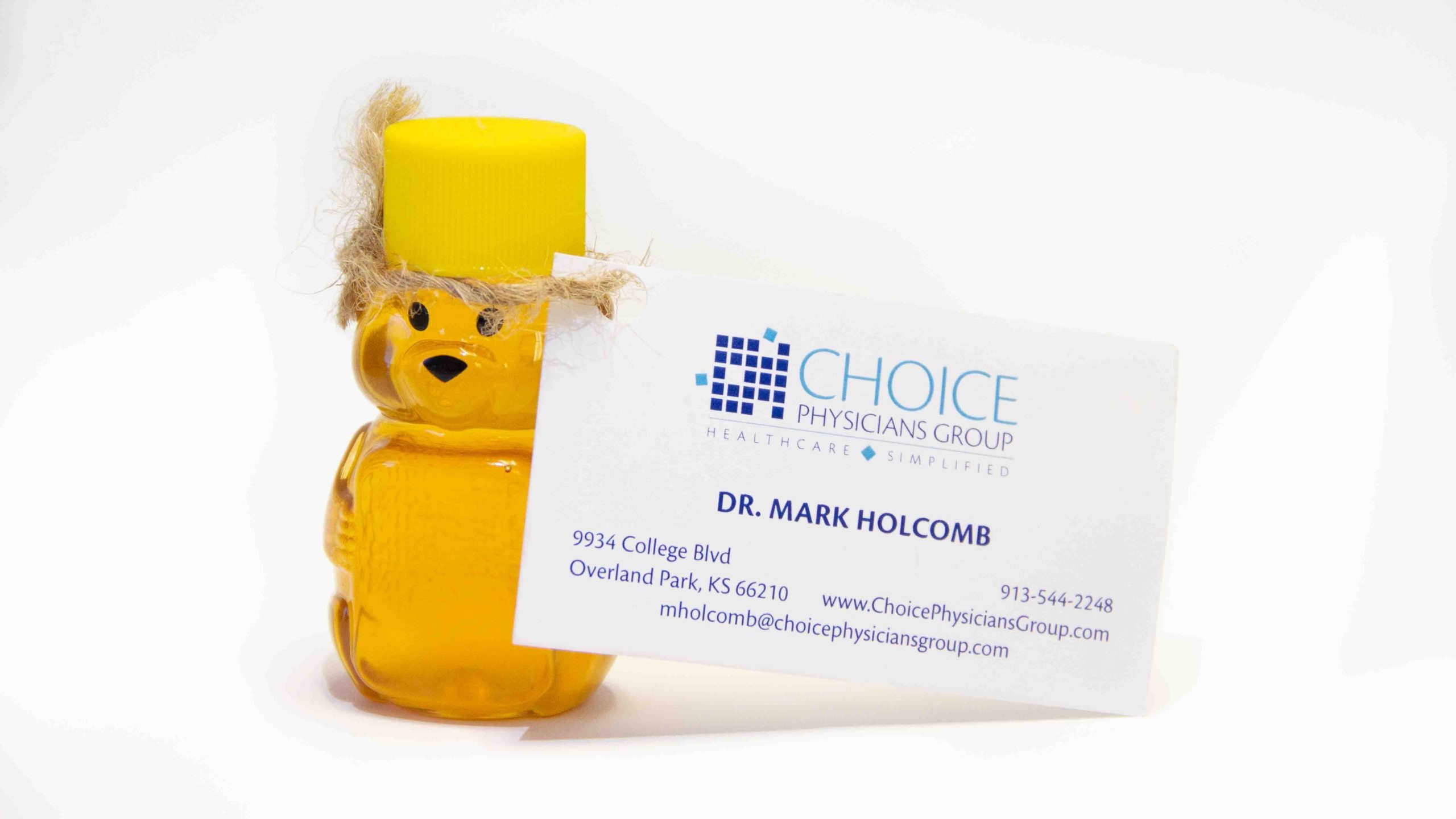
You may know Dr. Mark Holcomb as your direct primary care physician, but did you know he’s also a beekeeper and local producer of raw honey? As both a physician and beekeeper, Dr. Mark has a unique perspective on the benefits of raw honey and what makes it different from the honey you typically find on store shelves.
Raw honey is honey that has not been heavily processed or heated. It is generally strained or filtered to remove debris such as beeswax while retaining naturally occurring compounds found in honey. From its antioxidant and antimicrobial properties to its use as a natural sweetener, raw honey has been valued for centuries. But what does the research actually tell us about its health benefits?
Antioxidant and Antimicrobial Properties of Raw Honey
Important: Honey should never be given to children younger than 12 months because of the risk of infant botulism.
Raw honey contains naturally occurring compounds that contribute to its antioxidant and antimicrobial properties. Its acidity, low moisture content and production of hydrogen peroxide can help inhibit the growth of certain bacteria and microorganisms.
Honey has also been studied for its potential role in wound care. However, the honey used in medical settings is specially prepared medical-grade honey and should not be confused with raw honey from your kitchen. Raw honey should not be applied to wounds as a substitute for proper medical care.
Is Raw Honey Better Than Regular Sugar?
Raw honey is primarily made up of natural sugars, including fructose and glucose, but it also contains small amounts of vitamins, minerals and antioxidant compounds. While these naturally occurring compounds give raw honey some nutritional advantages over refined sugar, honey is still an added sugar and is best enjoyed in moderation.
Some research suggests that honey may have a more favorable effect on certain measures of heart and metabolic health when compared with other sweeteners, but it shouldn’t be viewed as a substitute for an overall balanced diet. If you enjoy honey, using a small amount in place of refined sugar can be one way to add sweetness while taking advantage of some of the naturally occurring compounds it provides.
Local Raw Honey and Seasonal Allergies
Bee pollen is one of the naturally occurring components that may be found in raw honey. When bees collect nectar from plants in the surrounding area, small amounts of local pollen can make their way into the honey they produce.
This connection is why local raw honey has long been associated with seasonal allergy relief. The idea is that consuming small amounts of locally produced honey may provide gradual exposure to pollen from the surrounding environment. While individual experiences can vary, it remains one of the reasons many people seek out local raw honey during allergy season.
How to Add Raw Honey to Your Diet
Raw honey is easy to incorporate into your diet. Try adding a small amount to oatmeal or yogurt, stirring it into tea, using it in homemade salad dressings, or swapping it for refined sugar in certain recipes. Like any added sugar, moderation is still important.
With so many ways to use and enjoy raw honey, it’s easy to see why Dr. Mark is so passionate about bees.