
Inflammation is a natural defense mechanism that helps protect us from infection, injury, and other threats. While short-term inflammation is essential for healing, chronic inflammation can contribute to serious health conditions such as cardiovascular disease, diabetes, and certain cancers (1). Chronic inflammation can result from ongoing stress, lifestyle factors, and poor dietary choices. Nutrition plays a critical role in either fueling or reducing inflammation. Below is a closer look at how dietary choices influence inflammation and overall health.
Foods that Can Increase Inflammation
There are certain foods that stimulate the release of pro-inflammatory chemicals called cytokines. Over time, frequent consumption of these foods can contribute to chronic inflammation. It is best to limit:
- Food high in refined starches (white bread, pastries, sugary cereals)
- Added sugars
- Saturated and trans-fats (fatty meats, whole milk, cheese, butter, chips, fried foods, cookies, and other desserts)
Foods that Help Reduce Inflammation
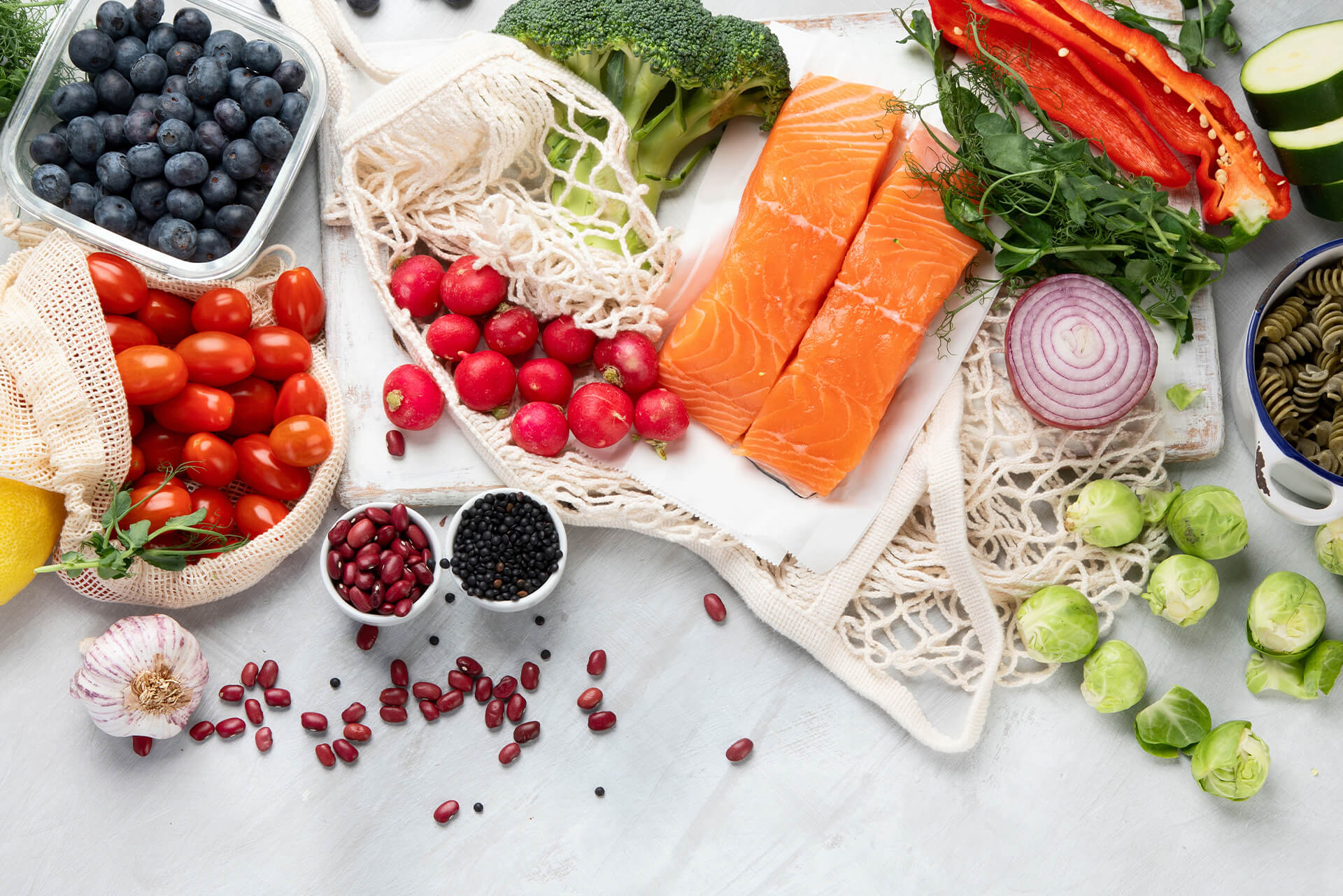
Instead, focus on incorporating the following anti-inflammatory foods into your diet:
- Whole grains (look for the Whole Grain stamp on the package)
- Fruits
- Vegetables
- Omega-3 Fatty Acids
These foods are rich in fiber, vitamins, minerals, phytonutrients, and essential fatty acids that support overall health. Research suggests that higher intakes of fruits and vegetables and associated with lower levels of oxidative stress and reduced inflammation (1).
💡 Quick tip: Phytonutrients act as antioxidants, helping to reduce inflammation and support immune function. They are found in many whole grains, fruits, and vegetables.
Let’s Talk about Omega-3 and Omega-6 Fatty Acids
Maintaining a healthy balance between omega-3 and omega-6 fatty acids is important for reducing inflammation. Higher levels of omega-3 fatty acids relative to Omega-6 fatty acids are associated with lower production of those pro-inflammatory cytokines, reducing inflammation in the body. Omega-6 fatty acids are not harmful when consumed in moderation. However, having a good balance is key. Ideally, the ratio of omega-6 fatty acids to omega-3 fatty acids should be between 1:1 and 4:1, yet the typical American diet is closer to 16:1. This higher consumption of omega-6 compared to omega-3 fatty acids could promote inflammation.
Sources of Omega-6 Fatty Acids
Omega-6 fatty acids are commonly found in the following oils. (Tip: check ingredient labels on packaged foods, as many are prepared with these oils.)
- Corn oil
- Sunflower oil
- Safflower oil
- Canola oil
- Soybean oil
- Hydrogenated oils
Healthier Oils to Use Instead
- Olive oil
- Avocado oil
- Flaxseed oil
- Walnut oil
Omega-3 Fatty Acids
The three primary types of omega-3 fatty acids include ALA, EPA, and DHA. All of these play a role in reducing inflammation.
ALA (plant-based source):
- Flaxseed
- Chia seeds
- Walnuts
EPA and DHA (found in fatty fish):
- Salmon
- Mackerel
- Sardines
- Herring
💡 Quick tip: If you aren’t getting adequate omega-3 fatty acids in your diet, talk to your provider to see if a fish oil supplement would work for you.
Meal Ideas to Support a Lower-Inflammatory Diet
Consider exploring recipes inspired by the Mediterranean Diet. Research has proven that if you consume food that mimics the Mediterranean diet, it is associated with a reduced risk of developing multiple chronic diseases (including cardiovascular disease and type 2 DM) and increasing life expectancy. These benefits are largely attributed to the diet’s emphasis on whole, nutrient-dense foods with anti-inflammatory properties (2).
Key Takeaways
A diet that is consistently high in processed food–particularly those rich in added sugars, saturated and trans fats, and unhealthy oils–can contribute to chronic inflammation. In contrast, choosing fresh, minimally processed ingredients, increasing intake of whole grains, fruits, and vegetables, and incorporating healthy fats can help reduce inflammation in the body. Lower levels of inflammation are associated with a reduced risk of chronic disease and improved overall health.
👉 Want more personalized health guidance? Contact Choice Physicians Group at (913) 544-2248 to schedule an appointment and create a wellness plan tailored to you.
Sources
- Kiecolt-Glaser, J. (2012). National Institute of Health. Stress, Food, and Inflammation: Psychoneuroimmunology and Nutrition at the Cutting Edge.
- Tosti, V., et al. (2017). Journals of Gerontology. Health Benefits for the Mediterranean Diet: Metabolic and Molecular Mechanisms.